


Pilot program to stimulate consumption2026/2/4 9:48:11(Beijing Time) Lange Steel
China has rolled out a prize invoice pilot program across about 50 cities, marking the first national-level push to revive the initiative in 36 years as Beijing seeks to stimulate consumer demand and strengthen economic momentum.
The pilot, launched by the Ministry of Finance, the Ministry of Commerce and the State Taxation Administration last month, covers everyday consumption sectors such as retail, restaurants, accommodation, cultural tourism, sports and resident services, areas where policymakers see significant untapped consumer potential.
Under the program, individual consumers who obtain valid invoices above a set threshold from qualifying purchases — including meals, hotel stays, travel, sporting events and other services — are eligible to enter a lottery with cash prizes.
Local authorities will set minimum amount thresholds, prize ratios and award scales, with payouts to be disbursed promptly. The maximum prize for a single invoice is generally capped at 800 yuan.
Tian Binbin, deputy dean of the school of public finance and taxation at Zhongnan University of Economics and Law, who has studied prize invoice policies for decades, said: "This is the first time in 36 years that the national government has promoted a prize invoice initiative, but its policy purpose has shifted significantly compared with the past."
China first experimented with prize invoices in the early 1990s as a tool to improve tax collection by giving consumers an incentive to demand invoices, helping authorities close gaps in indirect tax reporting.
Tian noted that such efforts are expected to simultaneously boost consumption as well as improve tax compliance.
Traditionally, consumer stimulus measures in China rely on discount vouchers or rebates funded by government budgets. Prize invoices, by contrast, add an element of chance and reward to ordinary transactions, potentially encouraging consumers to spend more and retain invoices as proof of purchase.
The pilot's broader scope — covering cultural, entertainment and tourism sectors in addition to retail and services — reflects Beijing's strategy of tapping into lifestyle consumption.
"We found that in pilot areas, enterprise tax payments increased on average about 10 percent, mainly in sectors with high end-consumer contact such as lodging, restaurants and retail," Tian said.
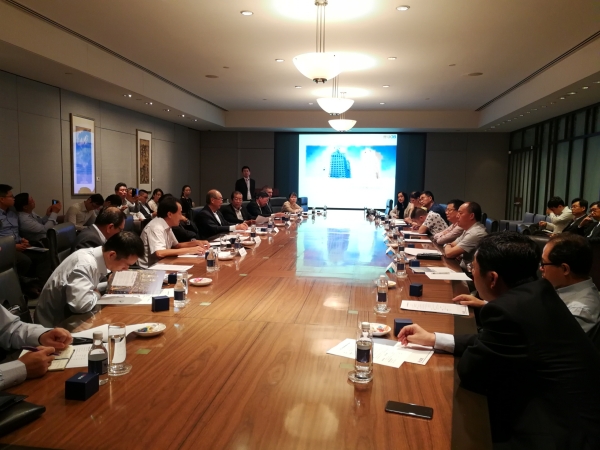
Lange Singapore Business Trip ..
To build The Belt and Road \"iron and steel industry business cooperation platform, Lange steel network organized a series of international busin.....
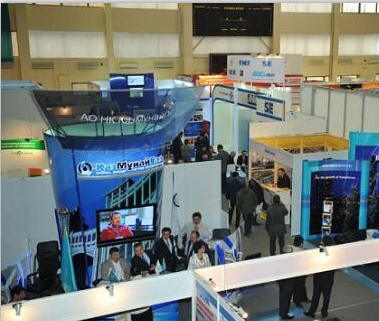
TUBE, WIRE, METAL AND WELDING ..
TEKNO is a biannual trade show covering the industries of TUBE, WIRE AND CABLE, WELDING AND CUTTING and METAL and is the best professional trade show .....

Lange Belt and Road Initiative..
Lange Belt and Road Initiative Business Trip to Russia will hold on 6-10th June, 2017. At present, countries in Asia and Europe are at a critical s.....