


[PMI] The global manufacturing PMI was 51.2% in February, up 0.2 percentage points from the previous month2026/3/6 9:46:42(Beijing Time) Lange Steel
According to the China Federation of Logistics and Purchasing, the global manufacturing PMI in February 2026 was 51.2%, up 0.2 percentage points from the previous month, and ran above 50% for two consecutive months. By region, Africa's manufacturing PMI continued its downward trend and was still below 50%. European manufacturing PMI rose above 50%; Asian manufacturing PMI rose above 51%; The manufacturing PMI in the Americas fell slightly from the previous month and remained above 51%.
In February 2026, the global manufacturing industry continued to remain in the expansion range, and the level of prosperity increased slightly from the previous month. By region, the prosperity level of Africa's manufacturing industry continued to decline last month and continued to remain in the contraction range; The level of manufacturing prosperity in Asia and Europe has increased compared with the previous month, both in the expansion range; The level of manufacturing prosperity in the Americas fluctuated slightly from the previous month, but it was still in the expansion range. Judging from the changes in data from January to February, at the beginning of 2026, there are signs of a positive change in the recovery trend of the global manufacturing industry, but the recent sharp increase in geopolitical risks in the Middle East has brought uncertainty to the global economic recovery that has just improved.
At present, the escalating geopolitical risks in the Middle East have become the core factor restricting the global economic recovery process and exacerbating the uncertainty of recovery, covering many key areas such as energy, supply chains, and global trade. First, the rapid rise in crude oil prices will directly amplify global inflationary pressures and restrict the vitality of consumption and investment; second, the transportation blockade not only increases transportation time and costs, but may also lead to the interruption of the upstream and downstream connections of some industrial chains, exacerbating the risk of global supply chain disruption; Third, global trade efficiency will decline sharply due to rising costs and reduced supply chain resilience. The above multiple factors are intertwined and gradually transmitted to various economies in the world, which will eventually lead to a continuous decline in the prosperity of the global economy and a weakening of growth momentum. The longer the geopolitical conflict lasts, the stronger the uncertainty in crude oil supply, the more difficult it is to repair the supply chain, the more obvious the decline in trade efficiency, and the more far-reaching the impact on the global economic recovery.
At the same time, the continuous fermentation and repeated escalation of geopolitical conflicts have also brought new enlightenment to countries around the world to explore the path of development, prompting countries to adjust their economic strategic layout in a complex and changeable international environment, and pay more attention to the security and resilience of industrial chains and supply chains. From a positive point of view, the external pressure brought about by geopolitical conflicts has forced countries around the world to focus more on enhancing the cultivation and improvement of their own endogenous power, enriching the domestic industrial system, making up for industrial shortcomings, and promoting the optimization and upgrading of industrial structure to reduce the vulnerability caused by over-reliance on external industrial chains and supply chains. However, from the perspective of negative impact, this strategic adjustment inevitably leads to the cooperation orientation of "neighbor first", making the global industrial chain and supply chain show a trend of "regionalization" and "fragmentation".
Therefore, only by building a more inclusive and open policy coordination mechanism, promoting more pragmatic and efficient international economic cooperation, giving full play to the interconnection and coordinated development effects of globalization, and enabling the efficient flow and optimal allocation of various resource endowments on a global scale can we promote the global economy to move steadily and far-reaching on the basis of seeking common ground while reserving differences.
Africa's manufacturing boom continued to decline, with PMI falling below 49%
In February 2026, Africa's manufacturing PMI was 48.2%, down 1.4 percentage points from the previous month. From the perspective of major countries, Egypt, South Africa and Nigeria all fell to varying degrees from the previous month, and all were below 50%. Based on the changes in the data, the level of Africa's manufacturing boom continued to decline last month, and the decline was slightly larger than that of the previous month, which means that Africa's manufacturing boom is under pressure in the short term, and its stability still needs to be improved. Trade frictions and the risk of geopolitical conflicts have adversely affected African economies, which are highly dependent on external influences. But it should also be noted that Africa's economic development potential is still there. African countries are working hard to promote the cultivation of endogenous growth drivers. First, enrich and improve the industrial system, promote innovation and development, and enhance development autonomy; second, continue to promote regional integration and enhance the resilience of economic recovery in the African region; Third, it is to avoid the impact of trade frictions and reduce the dependence on the US dollar in trade settlement. The African Development Bank made it clear in its recently released African Economic Outlook 2025 report that the African continent will remain the region with the highest concentration of high-growth economies in the world in 2026.
European manufacturing boom continued to rise, with PMI rising above 50%
In February 2026, the European manufacturing PMI was 50.6%, up 0.6 percentage points from the previous month, rising for two consecutive months and rising above 50% for the first time since August 2022. From the perspective of major countries, the Greek manufacturing PMI increased from the previous month to more than 54%; The manufacturing PMI of Germany and Italy rose significantly from the previous month, and both rose to more than 50%; The UK and French manufacturing PMIs fell from the previous month, but the index was still above 50%; Spain's manufacturing PMI rose to the 50% boom and bust line. With the change of the comprehensive index, the level of European manufacturing prosperity continued to rise, and entered the expansion range, showing a continuous recovery momentum. In particular, the manufacturing industries of countries with a large proportion of the economy have entered the economic expansion range, providing important support for the recovery of the European economy. However, the US tariffs on EU goods, the Russia-Ukraine conflict, and the recent geopolitical conflict in the Middle East have all made Europe's economic recovery continue to face uncertainty risks. In February, the economic sentiment index released by the European Commission fell to 98.3, down 1 point from January. The ECB survey shows that European companies are more cautious about long-term investments based on concerns about uncertain risks. In the face of many external risks, European countries need to implement key reforms to improve the global competitiveness of Europe as a whole.
Asia's manufacturing boom rose, with the PMI rising above 51%
In February 2026, Asia's manufacturing PMI was 51.4%, up 0.4 percentage points from the previous month, and it has been at 51% and above for three consecutive months. From the perspective of major countries, China's manufacturing PMI is below 50%; India's manufacturing PMI rose above 56%; Among ASEAN countries, Thailand, Indonesia, Vietnam and the Philippines all increased to varying degrees from the previous month, and all rose to more than 53%; Singapore and Myanmar manufacturing PMI are both above 50%, and Malaysia's manufacturing PMI has fallen below 50%; The manufacturing PMIs of Japan and South Korea rose and fell from the previous month, both above 51%. The change in the comprehensive index, the Asian manufacturing PMI has been at 51% and above for three consecutive months, and the index level in February has increased from the previous month and is also higher than that in December 2025, which means that the level of manufacturing prosperity in Asia is showing signs of steady and upward. A relatively solid foundation for domestic demand and continuous deepening reform drive are important supports for emerging Asian countries to achieve steady economic recovery and continuous improvement of resilience. At the same time, the Regional Comprehensive Economic Partnership (RCEP) has also provided strong support for strengthening intra-Asian trade stability. However, it should also be noted that the recent geopolitical conflict in the Middle East has also disturbed the Asian economy. If the conflict continues to ferment, it will have an impact on the stable recovery of the Asian regional economy through multiple channels such as energy, trade, and finance.
The manufacturing boom in the Americas has declined slightly, and the PMI is still above 51%
In February 2026, the manufacturing PMI in the Americas was 51.7%, a slight decrease of 0.1 percentage points from the previous month, and above 51% for two consecutive months. Data from major countries showed that the US manufacturing PMI fell slightly from the previous month and was still above 52%; Canada and Colombia's manufacturing PMI rose from the previous month to more than 50%; Brazil and Mexico manufacturing PMIs rose slightly from the previous month, both below 50%. The upward momentum of the manufacturing industry in the Americas has slightly declined from the previous month, but it still remains in the expansion range. The decline in the growth of the U.S. manufacturing boom level is the main influencing factor. According to a report by the American Institute for Supply Chain Management, in February 2026, the US manufacturing PMI was 52.4%, down 0.2 percentage points from the previous month. The sub-index shows that the new order index and production index have decreased to varying degrees compared with the previous month, but are still above 53%, the raw material inventory index and employee index are still below 49%, the customer inventory index continues to be below 40%, and the raw material price index has risen by more than 10 percentage points to more than 70% from the previous month.
According to the change of the comprehensive index, in February 2026, the upward momentum of the U.S. manufacturing boom has declined from the previous month, and the growth trend of both supply and demand has declined compared with the previous month, but it has remained in the expansion range. Raw material inventories and customer inventories continue to tighten, and it cannot be ruled out that the growth of supply and demand in the U.S. manufacturing industry is still mainly to meet the demand for replenishment. At the same time, the significant increase in the raw material price index means that the pressure on the operating costs of U.S. manufacturing companies has increased. According to the American Institute of Supply Chain Management report, the proportion of companies that reported price increases in February was 45.4%, an increase of 16.4 percentage points from the previous month. Rising steel and aluminum prices, as well as rising tariff costs, have led to a significant increase in raw material prices. According to the latest data from the U.S. Department of Labor, the U.S. consumer price index rose 2.4% year-on-year in January 2026, exceeding the U.S. government's 2% inflation target. The escalation of geopolitical conflicts in the Middle East and the continued imposition of tariffs by the United States will further increase inflationary pressures in the United States and push up the operating costs of American companies. The continued rise in operating costs will inhibit the willingness of companies to expand and invest, which is not conducive to the continued recovery of the U.S. manufacturing industry.
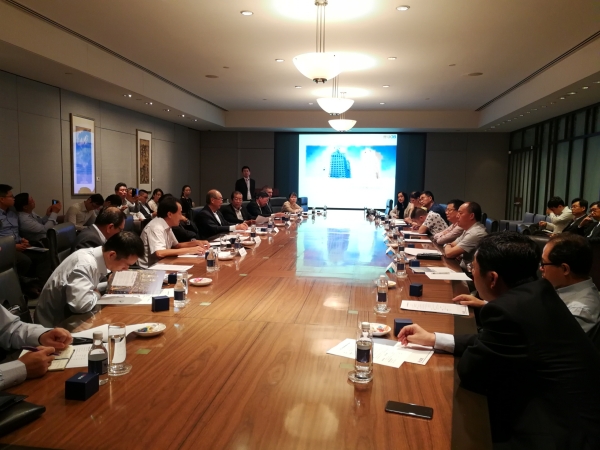
Lange Singapore Business Trip ..
To build The Belt and Road \"iron and steel industry business cooperation platform, Lange steel network organized a series of international busin.....
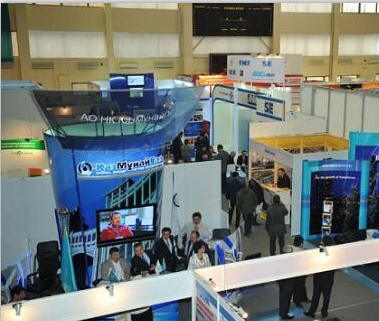
TUBE, WIRE, METAL AND WELDING ..
TEKNO is a biannual trade show covering the industries of TUBE, WIRE AND CABLE, WELDING AND CUTTING and METAL and is the best professional trade show .....

Lange Belt and Road Initiative..
Lange Belt and Road Initiative Business Trip to Russia will hold on 6-10th June, 2017. At present, countries in Asia and Europe are at a critical s.....