


Chinese robot vacuums sweep Southeast Asia2026/3/16 8:47:05(Beijing Time) Lange Steel
Chinese robot vacuum makers are actively expanding their footprint in Asia, with Southeast Asia the new growth frontier due to its rapidly evolving market landscape.
"Today, Chinese robot vacuum brands are synonymous with quality, innovation and cost-effectiveness," said Mosa, head of Chinese brand operations of Lazada Group, a Southeast Asian e-commerce firm headquartered in Singapore.
Asia has become a key market for these brands and the rising popularity of Chinese robot vacuums in Southeast Asia is driven by urbanization and the tech-embracing population.
Chinese robot vacuum cleaner brands recorded strong growth momentum across the region over the past year. On Lazada, the category had 50 percent growth in 2025 and further increased to more than 60 percent growth as of late January, according to data from the company.
Mosa, who shared only her first name, said the popularity of Chinese robot vacuum brands in Southeast Asia is driven by a combination of supply chain strength, product innovation, and improving brand perception.
"It also reflects the increasing purchasing power of Southeast Asia's growing middle class," she said.
"Consumer lifestyles across many Southeast Asian markets share similarities with urban households in China," said Mosa, noting that most urban residents live in apartments, making robot vacuums highly practical.
The diverse product offerings, from budget friendly models to premium options, help brands appeal to a wide range of consumers, she said.
From January to July 2025, retail sales of the robotic vacuum market in Southeast Asia grew by nearly 40 percent year-on-year, with sales in Vietnam surging by over 70 percent, according to financial news outlet Yicai, citing market consultancy GfK.
Globally, the smart vacuum market reached shipments of 17.42 million units in the first three quarters of 2025, a year-on-year increase of 18.7 percent, according to a report released by the research firm International Data Corporation in December.
Chinese brands Roborock, Ecovacs, Dreame, Xiaomi, and Narwal dominated the top five, holding a combined market share of 65.6 percent.
"Over the past two-plus years, Chinese manufacturers have seen a rapid rise in their shipment share in the robot vacuum market," Zhao Siquan, senior market analyst at IDC China, told China Daily.
Zhao said the combined share of Chinese vendors among the top five was only 44.7 percent in the first half of 2023.
The market share of iRobot, a manufacturer in the United States that is often regarded as an industry pioneer for the successful launch of commercial models in the early 2000s, has been on a steady decline, Zhao said. This reflects the growing popularity of Chinese manufacturers in the market, he added.
IRobot filed for bankruptcy protection on Dec 14 as a result of competition from Chinese rivals and US tariffs, with the Shenzhen-based Picea Robotics, its main manufacturer, buying the company.
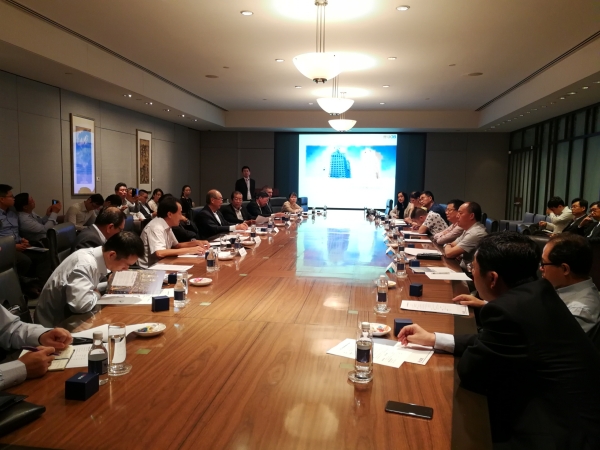
Lange Singapore Business Trip ..
To build The Belt and Road \"iron and steel industry business cooperation platform, Lange steel network organized a series of international busin.....
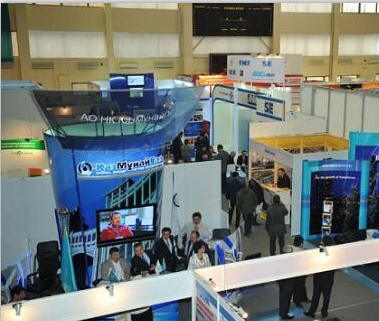
TUBE, WIRE, METAL AND WELDING ..
TEKNO is a biannual trade show covering the industries of TUBE, WIRE AND CABLE, WELDING AND CUTTING and METAL and is the best professional trade show .....

Lange Belt and Road Initiative..
Lange Belt and Road Initiative Business Trip to Russia will hold on 6-10th June, 2017. At present, countries in Asia and Europe are at a critical s.....