


Yuan-priced commodities could be next2026/4/7 9:18:54(Beijing Time) Lange Steel
Using the renminbi to price major commodities such as oil may be "an indispensable step" in advancing the currency's global role, and its internationalization could follow a path of expanding influence from the Global South toward developed markets, said a renowned Chinese economist.
"Pricing is a crucial component of RMB internationalization," said Huang Yiping, dean of Peking University's National School of Development, noting that the rise of the US dollar as an international currency was closely tied to oil being priced in dollars, followed by oil exporters reinvesting dollar earnings into US Treasury markets, forming a reinforcing cycle for dollar dominance.
China, as one of the world's largest importers of commodities and a leading exporter of manufactured goods, holds structural advantages in playing a bigger role in commodity pricing, Huang said in an exclusive interview with China Daily. Huang has been recently invited to join the Group of Thirty, a prestigious international financial think tank.
"I think promoting the use of the RMB to price more of our economic activities is both possible and an indispensable step of RMB internationalization," Huang said, adding that as China's weight in global trade grows, counterparties are becoming more receptive to RMB-based pricing arrangements.
Drawing an analogy from China's development experience, where progress often began in less-developed areas before expanding more broadly, Huang said that it is "entirely possible" for the RMB to gain wider acceptance first among Global South economies, which share greater consensus and mutual understanding with China, before gradually extending to developed markets.
A recent research note from Deutsche Bank said that the long-term legacy of the current conflict in the Middle East for the greenback could be the way it tests the foundations of the petrodollar regime — globally traded oil is priced and invoiced in the US currency.
Wu Xiaoqiu, former vice-president of the Renmin University of China and a senior financial expert, said the current geopolitical tensions provide both opportunities and challenges to the potential establishment of the "petroyuan", and the key still lies in deepening market-oriented reforms to enable freer trade of the Chinese currency.
Turning to the macroeconomic outlook, Huang said China retains sufficient policy space to cushion from any potential energy shocks.
"China has the policy room — on both monetary and fiscal fronts — to cope with the potential economic headwinds," Huang said, adding that despite rising global energy prices, domestic inflationary pressure is likely to remain moderate due to a low base and the country's rapid progress in green energy transition.
However, Huang cautioned that higher energy costs could weigh on corporate profitability and artificial intelligence innovations that use a lot of energy, adding that the lingering uncertainties could disrupt expectations of entrepreneurs.
To navigate these external challenges, a coordinated policy mix of macro, industrial and reform measures is needed, he said, stressing the importance of supporting both short-term demand and long-term drivers such as new quality productive forces and sustainable consumption growth.
On innovation, Huang said the recent surge of investment in frontier sectors such as embodied AI reflects a typical pattern during periods of technological transition, and some degree of excessive investment and overcapacity in those sectors would not be a serious problem.
"What's most important isn't whether there is overinvestment," he said, but whether investment decisions are made by market forces to make real innovations, rather than solely pushed by administrative mechanisms.
Huang emphasized that industrial policy should play a complementary role by addressing market failures rather than replacing market mechanisms. In the process of building a unified national market, local governments can still deploy industrial policies, but funding should come from their own fiscal resources rather than external financing, to avoid moral hazards.
He said research shows that sectors and firms actively applying or developing AI technologies have seen productivity gains, though such effects are not yet visible in aggregate data nationwide due to time lags and structural adjustments.
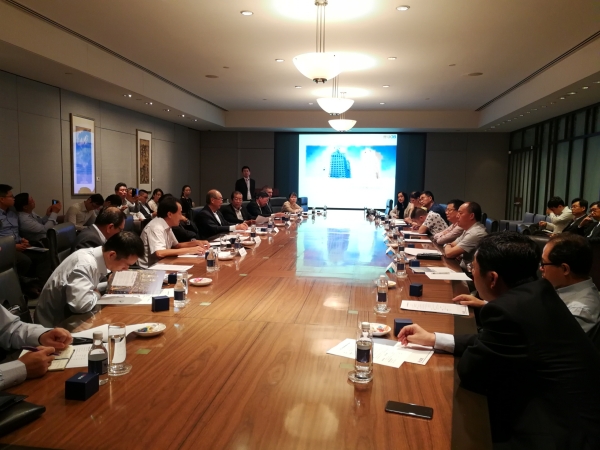
Lange Singapore Business Trip ..
To build The Belt and Road \"iron and steel industry business cooperation platform, Lange steel network organized a series of international busin.....
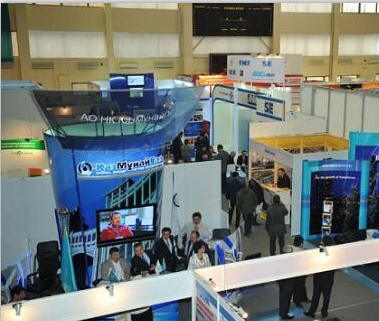
TUBE, WIRE, METAL AND WELDING ..
TEKNO is a biannual trade show covering the industries of TUBE, WIRE AND CABLE, WELDING AND CUTTING and METAL and is the best professional trade show .....
Lange Belt and Road Initiative..
Lange Belt and Road Initiative Business Trip to Russia will hold on 6-10th June, 2017. At present, countries in Asia and Europe are at a critical s.....