


Auto China 2026 spotlighting AI-driven shift in car industry2026/4/27 10:04:12(Beijing Time) Lange Steel
For years, auto shows have been primarily about new models. At Auto China 2026 in Beijing, it is increasingly about new systems — from AI-driven driving to centralized computing architectures.
This year's show, the largest of its kind, has drawn more than 2,000 companies from 21 countries and regions, with 1,451 vehicles on display. It includes a total of 181 global debuts and 71 concept cars, hitting a new high.
More than 60 percent of global premieres at the show come from Chinese brands, while the number of concept vehicles has reached a record level.
Behind the numbers, however, a deeper transformation is underway, one defined by artificial intelligence, software architecture and system-level innovation.
Chinese automakers, long known for their expansive product lineups, are now using the show floor to highlight technology stacks as much as vehicles.
Large standalone halls occupied by domestic brands — including BYD, Chery and Geely — reflect not only product breadth but also accumulated capabilities in electrification and intelligent systems.
As performance gaps in batteries, motors and electronic control systems narrow, competition is moving toward shaping technological identity and capturing user mindshare, said analysts.
Artificial intelligence has become the focal point of this shift. Geely is highlighting its full-domain AI 2.0 system, while SAIC's Roewe brand is showcasing AI-based in-car applications developed with Volcano Engine.
Huawei's automotive business also made its first appearance as an independent brand cluster, presenting multiple new models alongside its Harmony-based intelligent cockpit ecosystem.
Across the exhibition, intelligent driving, smart cockpits and large language model integration are no longer isolated features, but part of unified system architectures.
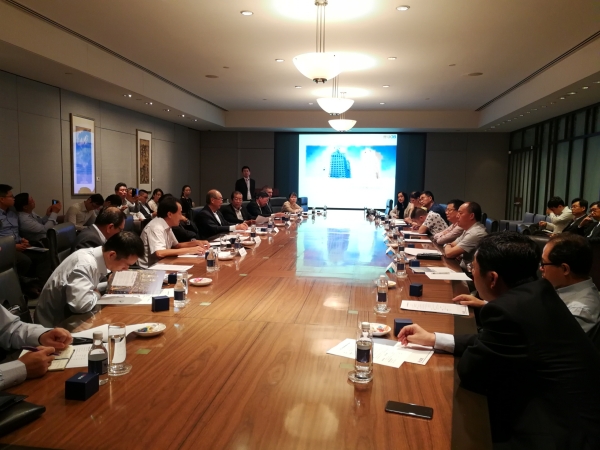
Lange Singapore Business Trip ..
To build The Belt and Road \"iron and steel industry business cooperation platform, Lange steel network organized a series of international busin.....
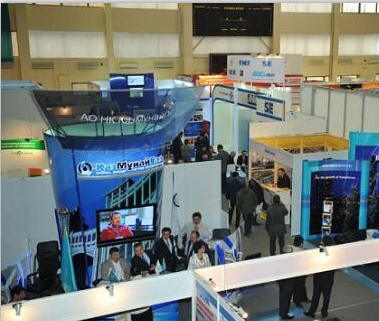
TUBE, WIRE, METAL AND WELDING ..
TEKNO is a biannual trade show covering the industries of TUBE, WIRE AND CABLE, WELDING AND CUTTING and METAL and is the best professional trade show .....
Lange Belt and Road Initiative..
Lange Belt and Road Initiative Business Trip to Russia will hold on 6-10th June, 2017. At present, countries in Asia and Europe are at a critical s.....